

Last Updated: October 28, 2026
Quick Summary
You manage high-stakes construction disputes by mobilising a dedicated recovery team with clear decision authority, preserving the record within the first 72 hours, mapping every contract’s notice periods and time bars, and quantifying exposure early. Coordinate legal, commercial and delivery teams through one weekly forum, then select a resolution route based on urgency, cost proportionality and enforceability.
- Issue a litigation hold-style instruction within 72 hours and suspend auto-delete policies.
- Map notice periods, time bars and dispute clauses for every head contract and subcontract.
- Build quantification from direct cost, time-related delay cost and substantiated recovery.
- Review the escalation and settlement posture every two to four weeks against the evidence.
- A common sequence is adjudication for interim cash flow, then mediation, with arbitration held in reserve.
Table of Contents
- Why High-Stakes Construction Disputes Escalate
- A Practical Response Plan for High-Stakes Disputes
- Construction Claims Evidence: Documentation That Holds Up
- Choosing a Construction Dispute Resolution Route
- Construction Dispute Avoidance: Preventing Escalation
- Managing Multi-Contract Construction Disputes
- Bringing in Specialist Dispute Support
- Frequently Asked Questions
Why High-Stakes Construction Disputes Escalate
Managing high stakes construction disputes separates projects that recover from projects that collapse into years of legal trench warfare. Small, unresolved commercial frictions can harden into formal claims when they are not addressed early.
Escalation rarely happens because the issue is complex. It happens because accountability is diffuse, records are thin, and each side digs in before the facts are established.
Common Causes on Major Projects
Major projects concentrate risk through long delivery periods, layered subcontracts, and design development running parallel with construction. Recurring causes include:
- Scope change and variation disputes where the instruction was verbal or poorly documented
- Payment delay that compounds into cash-flow crisis and suspension threats
- Ambiguous contract terms that both parties genuinely read differently
Treating each as a one-off annoyance is a mistake. Left unmanaged, they accumulate into a contested narrative where nobody can reconstruct what was agreed.
How Ambiguous Contract Terms Create Conflict
Ambiguous contract terms are the quiet engine of most contractual conflict. When a contract is silent on who bears a risk, or open to two readings, each party defaults to the interpretation that suits its position, human nature under commercial pressure, not bad faith.
The fix is contractual, not rhetorical. Before a dispute crystallises, establish a shared factual record: what the contract says, what the parties actually did, and where the gap sits.
A Practical Response Plan for High-Stakes Disputes
A response to a high-stakes dispute can include a mobilised team and a quantified position. Early action can help protect evidence and leverage.
Step 1: Mobilise a Recovery and Response Team
Stand up a dedicated team with clear authority: a commercial lead, a contracts specialist, a planner or delay analyst, and a document controller, with a single mandate to establish the facts and quantify the position. See our project recovery and turnaround service for how we structure that mobilisation.
Set decision authority on day one. A common failure is a response team that can investigate but cannot commit the organisation to a position, settle a variation, or authorise legal spend.
Step 2: Preserve the Record in the First 72 Hours
Evidence preservation is the highest-value early action and the one most often botched. Issue a litigation hold-style instruction across the project: no deletion of emails, messages, site diaries, photographs, or cost records, and suspend auto-delete policies.
Build a single controlled evidence register indexing notices, correspondence, instructions, variation requests, payment claims and schedules, meeting minutes, and site records by date and contract reference.
The single most damaging early mistake is allowing routine document destruction or inbox cleanup to continue after a dispute is foreseeable. Once proceedings are contemplated, destroying records can attract adverse inference and, in serious cases, sanctions. Stop deletion immediately.
Step 3: Map the Contractual Landscape
Before arguing merits, map every contract in play: head contract, subcontracts, supply agreements, and any novations or assignments. For each, record notice periods, time bars, dispute resolution clauses, governing law, and mandatory pre-action steps.
Identify which contracts contain adjudication clauses under security of payment legislation, which have arbitration agreements, and which are silent. That map determines your sequencing: which claims must be progressed first to preserve rights, and which can wait.
Step 4: Quantify Exposure and Recovery
Quantification turns a grievance into a position. Build the number from three components: the direct cost of the disputed work, the time-related cost of delay, and the recovery you can substantiate from the contract and the record.
Run quantification in parallel with the evidence work, not after it. Early numbers can inform whether you negotiate, adjudicate, or litigate, and what legal spend is proportionate.
Step 5: Coordinate Legal, Commercial and Delivery Teams
High-stakes disputes fail when legal, commercial, and delivery teams operate on different narratives. The delivery team knows what happened on site, the commercial team what was priced and claimed, the legal team what the contract and tribunal will accept.
Keep the project moving. A dispute response that consumes the delivery team can turn a commercial problem into a delivery failure.
Agree a written communications protocol at the first meeting: who speaks to the other side, what must be copied to the response team, and what must not be said in site meetings or emails. Off-the-cuff correspondence is routinely used against the party that wrote it.
::: Careful documentation of these exchanges remains equally vital when handling renovation costs that emerge unexpectedly during the project lifecycle.
Step 6: Set the Escalation and Settlement Posture
Decide early whether the objective is to preserve the relationship, recover cash quickly, or establish a precedent. That choice drives the tone of correspondence, the willingness to mediate, and the settlement range you will accept.
Review the posture every two to four weeks against the evidence and the quantified position. Disputes move; a plan set in week one and never revisited is how matters drift into litigation by default.
Construction Claims Evidence: Documentation That Holds Up
Construction claims evidence is the contemporaneous record that proves what happened, when, and what it cost. Evidence wins disputes; argument seldom does.
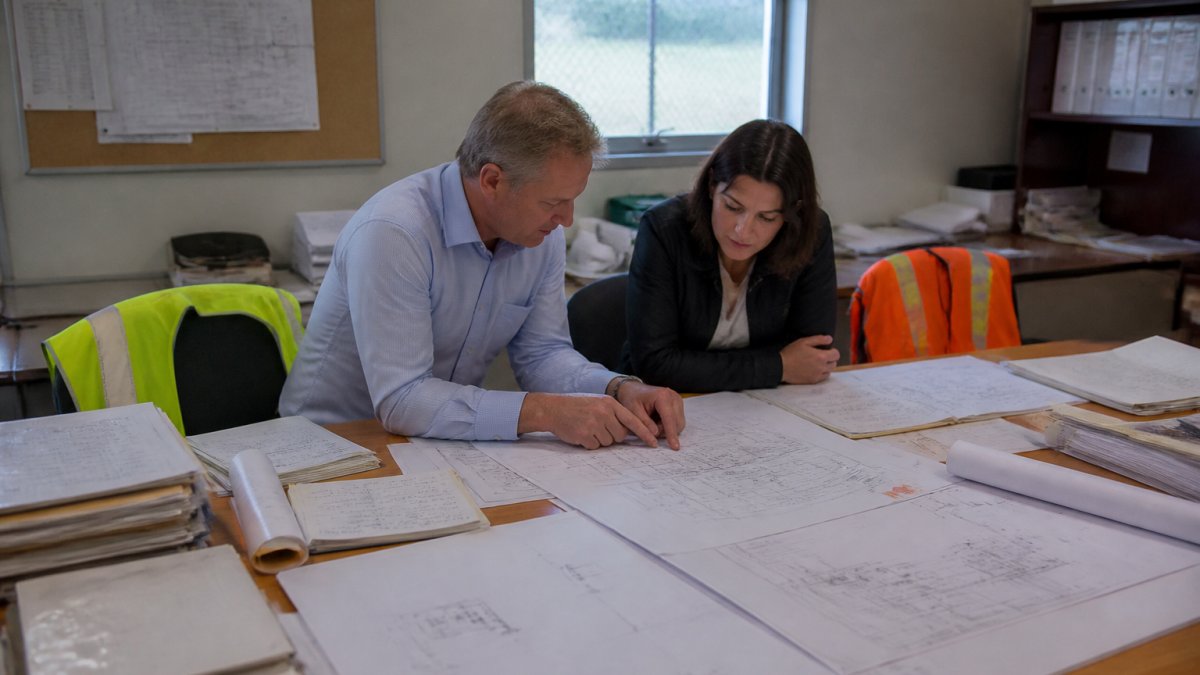
Contractual notices may have time bars. For detail on how delay claims are formulated and managed, see our delay claims formulation and analysis service.
Choosing a Construction Dispute Resolution Route
Choosing the right resolution method is a strategic decision, not a procedural one. The options include negotiation, mediation, adjudication, arbitration, and litigation. Each may suit a different combination of urgency, relationship, and complexity. The mistake is treating the route as a procedural default set by the contract rather than a commercial choice made on the facts.
| Route | Best for | Typical timeframe | Relative cost | Enforceability | Confidentiality |
|---|---|---|---|---|---|
| Negotiation | Preserving relationships; small to mid-value claims | Days to weeks | Lowest | By agreement only | High |
| Mediation | Commercial exit where both sides want to settle | Weeks | Low to moderate | Binding if a settlement deed is executed | High |
| Adjudication | Interim payment and rapid decisions under security of payment legislation | Statutory timeframes, commonly weeks | Moderate | Binding on an interim basis; subject to review | Moderate |
| Arbitration | Complex, technical, multi-party or confidential disputes | Months to years | High | Binding award, enforceable under the national uniform arbitration legislation | High |
| Litigation | Precedent, urgent injunctive relief, enforcement, public matters | Slowest | Highest | Court judgment | Low |
Negotiation, Mediation, Arbitration or Litigation
Negotiation, mediation, adjudication, arbitration, and litigation are possible dispute resolution routes. The appropriate route depends on the circumstances and the contract. If a matter heads toward arbitration or litigation, our guide to hiring expert witnesses sets out how to select and brief the right expert.
Adjudication Under Security of Payment Legislation
Adjudication deserves separate treatment because it is the route most often misunderstood. Security of payment legislation has procedural details that vary by jurisdiction. Check the applicable legislation and official guidance for the relevant process and legal effect.
Two practical points matter. Timeframes and the legal effect of adjudication depend on the applicable jurisdiction and contract. Check the relevant legislation and official guidance.
Adjudication timeframes and notice requirements differ across jurisdictions. Confirm the applicable regime and its deadlines before serving or responding to a payment claim. A missed deadline is often fatal to the application.
A Decision Framework for Selecting the Route
Rather than defaulting to the contract’s dispute clause, test each route against six criteria:
- Urgency of relief. If cash flow is critical, adjudication or urgent court relief may be the only routes fast enough. Arbitration and litigation are too slow to solve a liquidity crisis.
- Cost proportionality. Match legal spend to the amount in dispute. A contested arbitration over a modest claim destroys value even if you win.
- Enforceability. Consider where the other party’s assets sit and whether a judgment or award will be enforceable against them. An award against an insolvent counterparty is worth little.
Urgent Relief and Interim Measures
Some disputes cannot wait for a final determination. Where a party faces suspension, termination, or removal from site, urgent injunctive relief may be the only effective remedy. Arbitration rules commonly allow an emergency arbitrator or interim measures, but availability and speed vary. Map urgent-relief options before a crisis, not during one, the application itself takes time to prepare.
Sequencing and Combining Routes
Routes are not mutually exclusive. A common, effective sequence is adjudication to secure interim cash flow, then mediation to explore settlement, with arbitration or litigation held in reserve for unresolved entitlement. Set the sequencing deliberately at the outset and review it as evidence develops rather than letting it emerge by accident.
Construction Dispute Avoidance: Preventing Escalation
Construction dispute avoidance involves work before conflict hardens: clear contract administration, notice regimes, early warning registers, and regular commercial reviews. Risk management is a live discipline, not a tender document.
Dispute avoidance also means designing escalation out of the process. For a deeper set of early-stage practices, read our guidance on best practices for construction claims.
Managing Multi-Contract Construction Disputes
Multi-contract construction disputes arise when a single event cascades across a web of contracts: owner to head contractor, head contractor to subcontractors, and across multiple packages. Exposure compounds because each link has its own terms, notice periods, and risk allocation.
The core challenge is inconsistency. A head contractor may be liable to the owner on one basis while its recovery from a subcontractor is limited by different wording.
Bringing in Specialist Dispute Support
Specialist dispute support may be relevant when a project involves significant sums, technical complexity, or time pressure. Consider the support and capacity available to your team.
CDI Experts has delivered over $3 billion in verified value through strategic claims and project recovery services. CDI Experts provides evidence-based claims support and dispute resolution across the construction project lifecycle. Review our claims and dispute support service.
Frequently Asked Questions
What is the best way to manage a high-stakes construction dispute?
Start by stabilising the project before the legal fight. Mobilise a response team that separates the commercial claim from day-to-day delivery, preserve evidence from day one, and quantify your exposure before you open negotiations. Contemporaneous records and a timely response can be relevant to a dispute. Set a clear resolution strategy early, agree internally on your walk-away position, and keep escalation routes open so a settlement remains possible.
How can construction disputes be prevented from escalating?
Construction dispute avoidance depends on early warning systems. Track variations, payment delays and scope creep as they happen rather than at final account, and issue contractual notices on time. Regular commercial reviews with the project director, contracts manager and finance lead surface problems while they are still cheap to fix. Clear contract administration, documented risk allocation and conversations with the other party are possible dispute-prevention practices.
What evidence should be collected for a construction claim?
Potentially relevant construction claim evidence may include site diaries, progress records, correspondence, notices, variation instructions, meeting minutes, programme updates, cost records, dated photographs or video, delivery dockets, timesheets, and subcontractor records.
When should a construction dispute be referred to mediation or arbitration?
Negotiation, mediation, arbitration, and litigation are possible routes. The appropriate route depends on the circumstances and the contract. Check your contract’s dispute resolution clause before choosing a route.
How do you manage disputes involving multiple contracts?
Multi-contract construction disputes need coordination across every agreement on the project. Map which contracts are affected, identify inconsistent terms and notice periods, and check whether your dispute resolution clauses align. Appoint a single coordinator to manage the strategy across contracts, keep a shared evidence register, and consider multi-party mediation or consolidated arbitration where the contract allows it.
How can project teams protect cash flow during a construction dispute?
Keep progress payments flowing on undisputed work while the claim is resolved, and separate disputed amounts clearly in your payment claims. Check applicable notice and payment deadlines. Model the cash impact of a drawn-out dispute before you commit to arbitration or litigation, and factor in legal costs plus management time. Check the contract and applicable legislation to determine whether adjudication is available.
High-stakes disputes reward preparation and punish delay. If a claim is hardening or a project is drifting, the cost of waiting compounds daily. CDI Experts brings recovery teams, evidence-based claims support, and dispute resolution to protect profits and stabilise complex projects. Get started with CDI Experts and turn a contested position into a quantified, defensible recovery.


